
Stac Catalog
Stac Catalog - Stac is an open standard and a community of collaborators working to enable increased access to information about our planet. The new prototype of the spatiotemporal asset catalogue (stac) of the copernicus data space ecosystem (cdse) has been implemented to foster discoverability and management of earth. Includes pointclouds (potree, copc las/laz), tiled meshes (ogc/cesium 3d tiles),. Learn about the stac specification, its extensions, tutorials, tools, and community resources. Stac is a standard way to structure and query geospatial metadata for earth observation data. A static catalog, or a static spatiotemporal asset catalog (aka static stac — the three terms are all interchangeable), is defined in the core. Diving into one of these public. What is a static stac? Spatiotemporal asset catalog api on top of nasa's common metadata repository. Stac provides a json format to wrap around any relevant. Diving into one of these public. Stac is a standard way to structure and query geospatial metadata for earth observation data. Learn about stac features, browser, api, samples, and tutorials for landsat data in the cloud. Stac is being found in an increasing number of spatiotemporal datasets, many of which are publicly available to use in your own exploration and research. Learn what stac is, how it works, and how to use it with python and qgis. Stac (spatiotemporal asset catalog) is a relatively new web service specification for catalogs that is increasingly used and supported. Experimental stac catalog of ocean, weather, and climate data stored in zarr format in google cloud storage. On the stac index website, you find stac catalogs, collections, apis, software and tools. What is a static stac? Stac is an open standard and a community of collaborators working to enable increased access to information about our planet. Diving into one of these public. Stac is an open standard and a community of collaborators working to enable increased access to information about our planet. Stac is a standard language to describe geospatial data, using json files that reference ot… If you're looking for a catalog. You can also add your own data and tools to the list. If you're looking for a catalog. Stac is a standard language to describe geospatial data, using json files that reference ot… Stac is a standardized way to expose and discover collections of spatial temporal data. You can also add your own data and tools to the list. Stac is an open standard and a community of collaborators working to enable. Spatiotemporal asset catalog api on top of nasa's common metadata repository. Learn about stac features, browser, api, samples, and tutorials for landsat data in the cloud. Stac is a standard language to describe geospatial data, using json files that reference ot… A static catalog, or a static spatiotemporal asset catalog (aka static stac — the three terms are all interchangeable),. Spatiotemporal asset catalog (stac) is a standard that provides a common structure for exposing and cataloging data such as imagery, sar, point clouds, data cubes, full motion. Diving into one of these public. You can also add your own data and tools to the list. Students return to stac for graduate school, and to participate in forums and panels, travel. If you're looking for a catalog. Stac is being found in an increasing number of spatiotemporal datasets, many of which are publicly available to use in your own exploration and research. Students return to stac for graduate school, and to participate in forums and panels, travel with other alumni, collaborate with professors on research, and even mentor and teach the. Spatiotemporal asset catalog (stac) is a standard that provides a common structure for exposing and cataloging data such as imagery, sar, point clouds, data cubes, full motion. Stac is a standardized way to expose and discover collections of spatial temporal data. Includes pointclouds (potree, copc las/laz), tiled meshes (ogc/cesium 3d tiles),. Learn about stac features, browser, api, samples, and tutorials. Stac is a standard language to describe geospatial data, using json files that reference ot… Stac is a standard way to structure and query geospatial metadata for earth observation data. Stac is an open standard and a community of collaborators working to enable increased access to information about our planet. The spatial temporal asset catalog specification was designed to establish. The spatial temporal asset catalog specification was designed to establish a standard, unified language to talk about geospatial data, allowing it to more easily searchable. If you're looking for a catalog. On the stac index website, you find stac catalogs, collections, apis, software and tools. Stac provides a json format to wrap around any relevant. Stac is a standard way. Learn how to create your own stac catalog using python and pystac, a library for working with stac data. Experimental stac catalog of ocean, weather, and climate data stored in zarr format in google cloud storage. Spatiotemporal asset catalog api on top of nasa's common metadata repository. Spatiotemporal asset catalog (stac) is a standard that provides a common structure for. Learn what stac is, how it works, and how to use it with python and qgis. Learn about stac features, browser, api, samples, and tutorials for landsat data in the cloud. Diving into one of these public. Stac is a standardized way to expose and discover collections of spatial temporal data. You can also add your own data and tools. Includes pointclouds (potree, copc las/laz), tiled meshes (ogc/cesium 3d tiles),. Learn about the stac specification, its extensions, tutorials, tools, and community resources. Diving into one of these public. Learn about stac features, browser, api, samples, and tutorials for landsat data in the cloud. Experimental stac catalog of ocean, weather, and climate data stored in zarr format in google cloud storage. Spatiotemporal asset catalog (stac) is a standard that provides a common structure for exposing and cataloging data such as imagery, sar, point clouds, data cubes, full motion. The spatial temporal asset catalog specification was designed to establish a standard, unified language to talk about geospatial data, allowing it to more easily searchable. Stac provides a json format to wrap around any relevant. Learn what stac is, how it works, and how to use it with python and qgis. Stac is a standardized way to expose and discover collections of spatial temporal data. Stac is being found in an increasing number of spatiotemporal datasets, many of which are publicly available to use in your own exploration and research. You can also add your own data and tools to the list. Stac is a standard language to describe geospatial data, using json files that reference ot… Spatiotemporal asset catalog api on top of nasa's common metadata repository. The new prototype of the spatiotemporal asset catalogue (stac) of the copernicus data space ecosystem (cdse) has been implemented to foster discoverability and management of earth. Stac is an open standard and a community of collaborators working to enable increased access to information about our planet.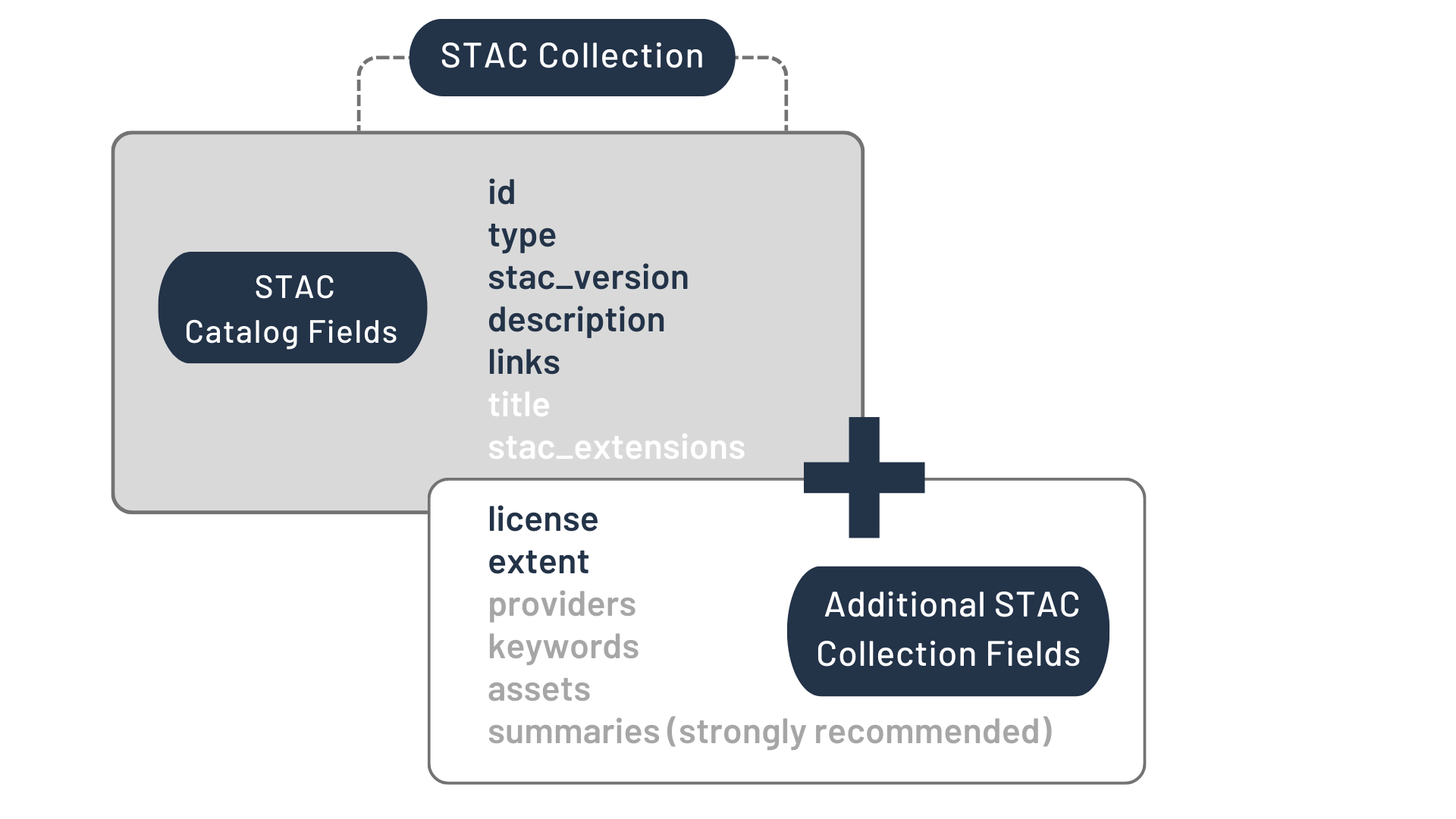
Intro to STAC an Overview of the Specification STAC Tutorials

Keeping a SpatioTemporal Asset Catalog (STAC) Up To Date with SNS/SQS
SpatioTemporal Asset Catalog (STAC) For The Rest of Us Spatialnode
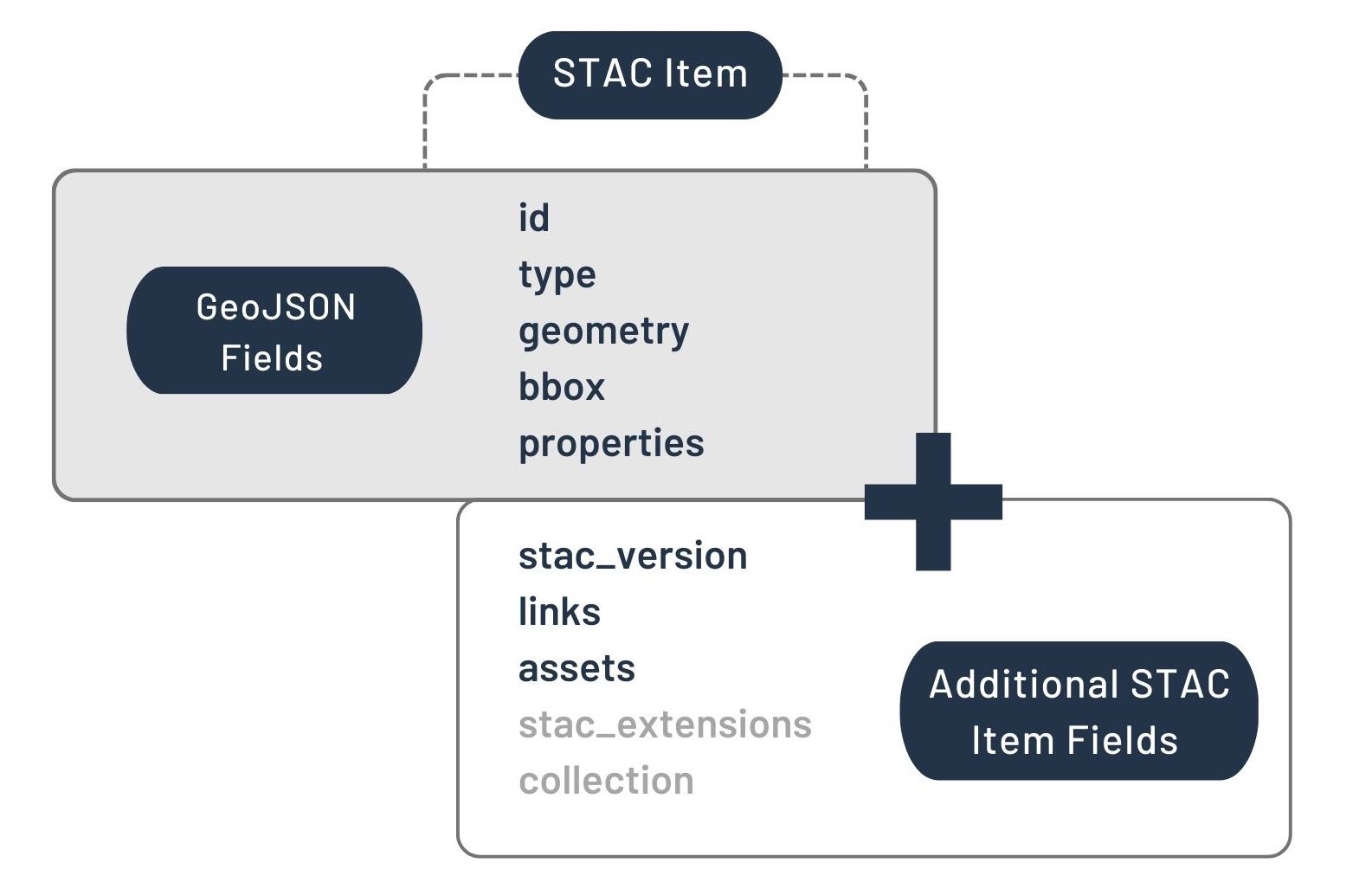
Intro to STAC an Overview of the Specification STAC Tutorials
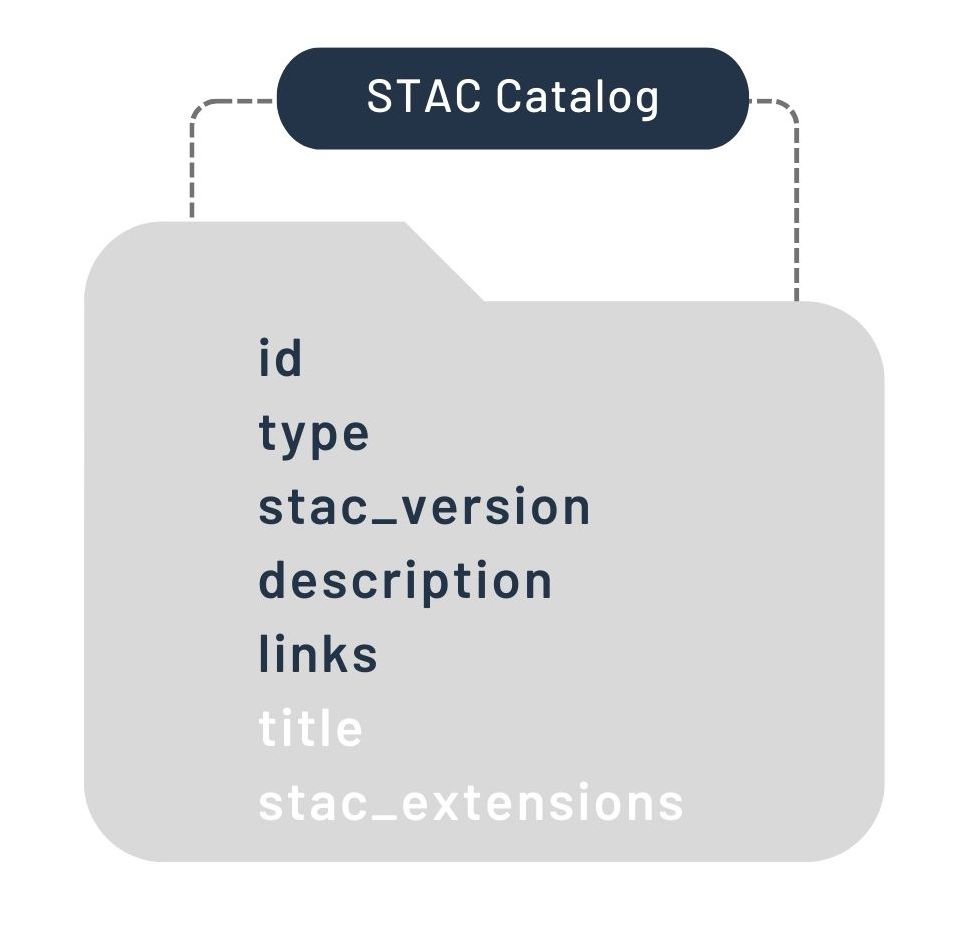
Intro to STAC an Overview of the Specification STAC Tutorials
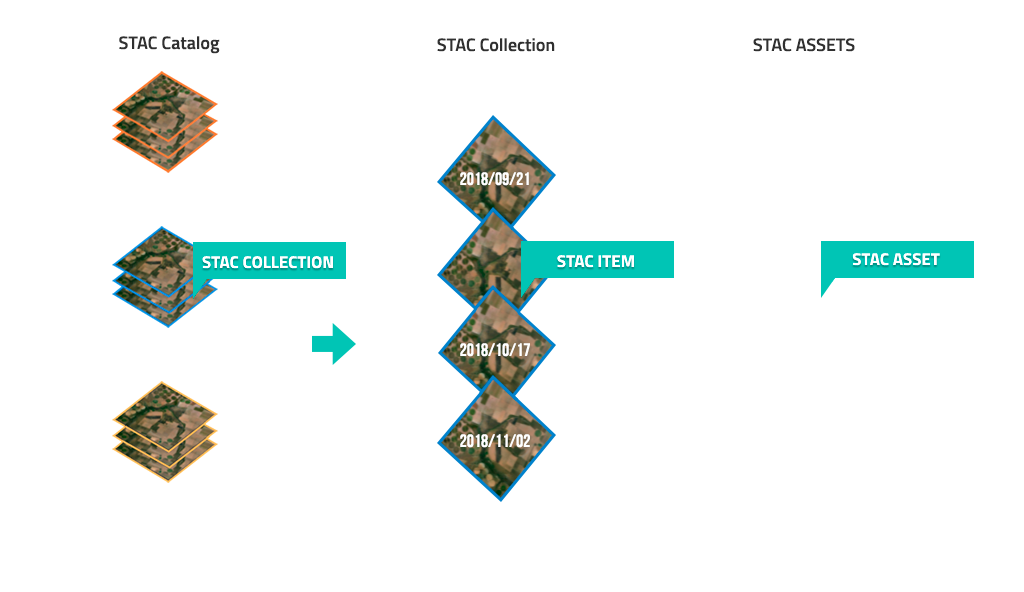
STAC SpatioTemporal Asset Catalog (ENUS) Brazil Data Cube
Publishing Spatiotemporal Data with STAC, April 2024 Capacity
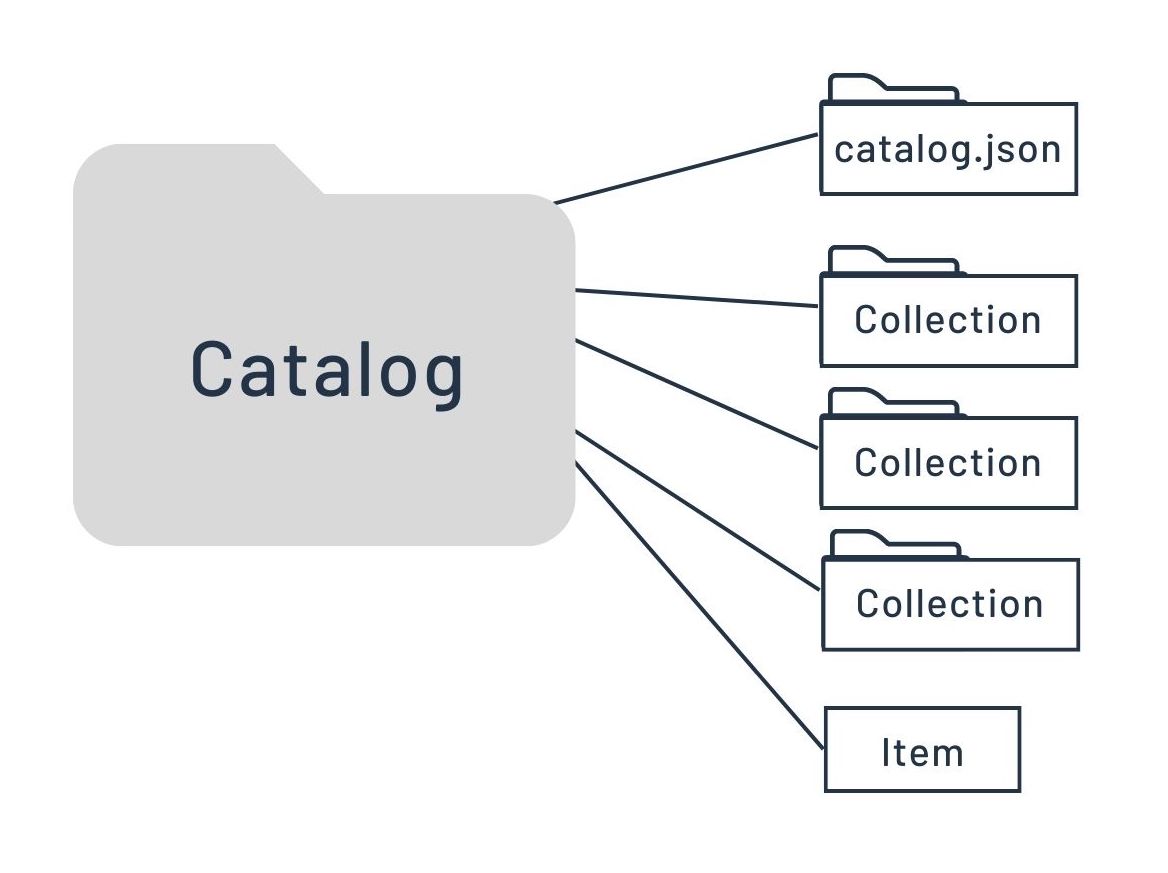
Intro to STAC an Overview of the Specification STAC Tutorials

STAC SpatioTemporal Asset Catalogs

Introduction to SpatioTemporal Asset Catalogs (STAC) YouTube
If You're Looking For A Catalog.
Stac Is A Standard Way To Structure And Query Geospatial Metadata For Earth Observation Data.
Stac (Spatiotemporal Asset Catalog) Is A Relatively New Web Service Specification For Catalogs That Is Increasingly Used And Supported.
Learn How To Create Your Own Stac Catalog Using Python And Pystac, A Library For Working With Stac Data.
Related Post: